What’s In A Name? The Produce Salesman and The Theater Producer

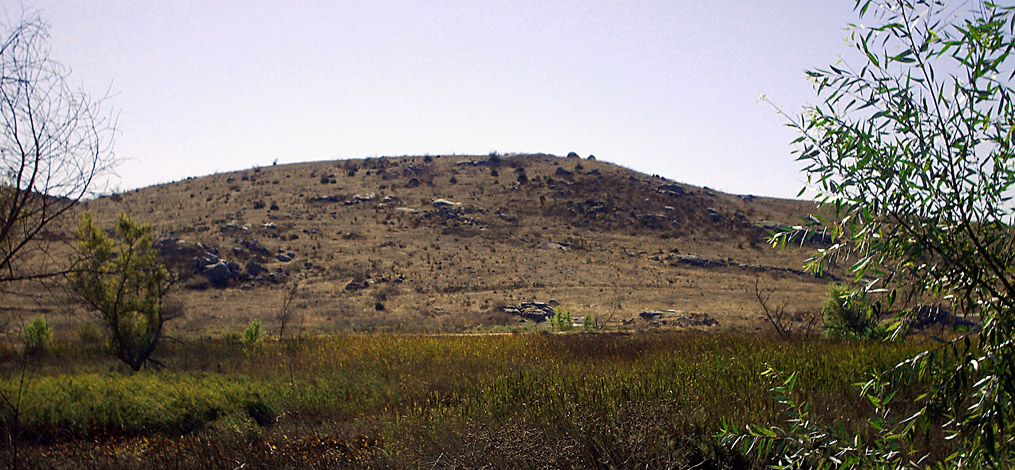
Current San Diego County residents might not be familiar with the name Villa Caro, but it was the name of a ranch of 600 acres or so between the city of San Diego and the El Cajon Valley in the early 1900s. The San Diego Union reported in its real estate column on April 15, 1909 that a then-prominent attorney, James Wadham, had purchased a ranch house and five acres of ground on the ranch.

The Union article noted that the property was considered “one of the beauty spots of the back country, commanding as it does an unobstructed view of the El Cajon valley and surrounding country and mountains to the east and north.”

The article went on to say that “the land purchased by Mr. Wadham is only a small portion of the Villa Caro ranch. The remaining portion of the original property is to be divided into small tracts and made one of the choicest districts for suburban homes in the county. This is to be done by Messrs. Fletcher and Gross.”

Ed Fletcher and William Gross first met as tourists on a visit to Yosemite National Park in 1901. At that point in time Fletcher, 29, was a transplanted New Englander who’d settled in San Diego where he got involved in the produce business and was doing well enough that he was getting interested in buying and developing property. Bill Gross, in his early 40s, was a Philadelphian who’d become a successful theatrical producer back east and had come west for a little rest. As they enjoyed the scenery Gross expressed an interest in moving west. Fletcher talked up San Diego.

Gross subsequently moved to San Diego where he and Fletcher became good friends and business partners, investing in real estate in places like the Villa Caro ranch. By October of 1910, Fletcher filed a plan with the county for a new subdivision within the ranch property, which the partners chose to name Grossmont Park.

The rest, as they say, is history. Not to mention realty.

Sources for this post included historic San Diego city and county newspapes and The Journal of San Diego History.

You can get regular updates of San Diego History Seeker automatically in your email by clicking on the “Follow” button in the lower right corner of the blog page. You’ll then get an email asking you to confirm. Once you confirm you’ll be an active follower.
Light Over Darkness, Literally and Figuratively

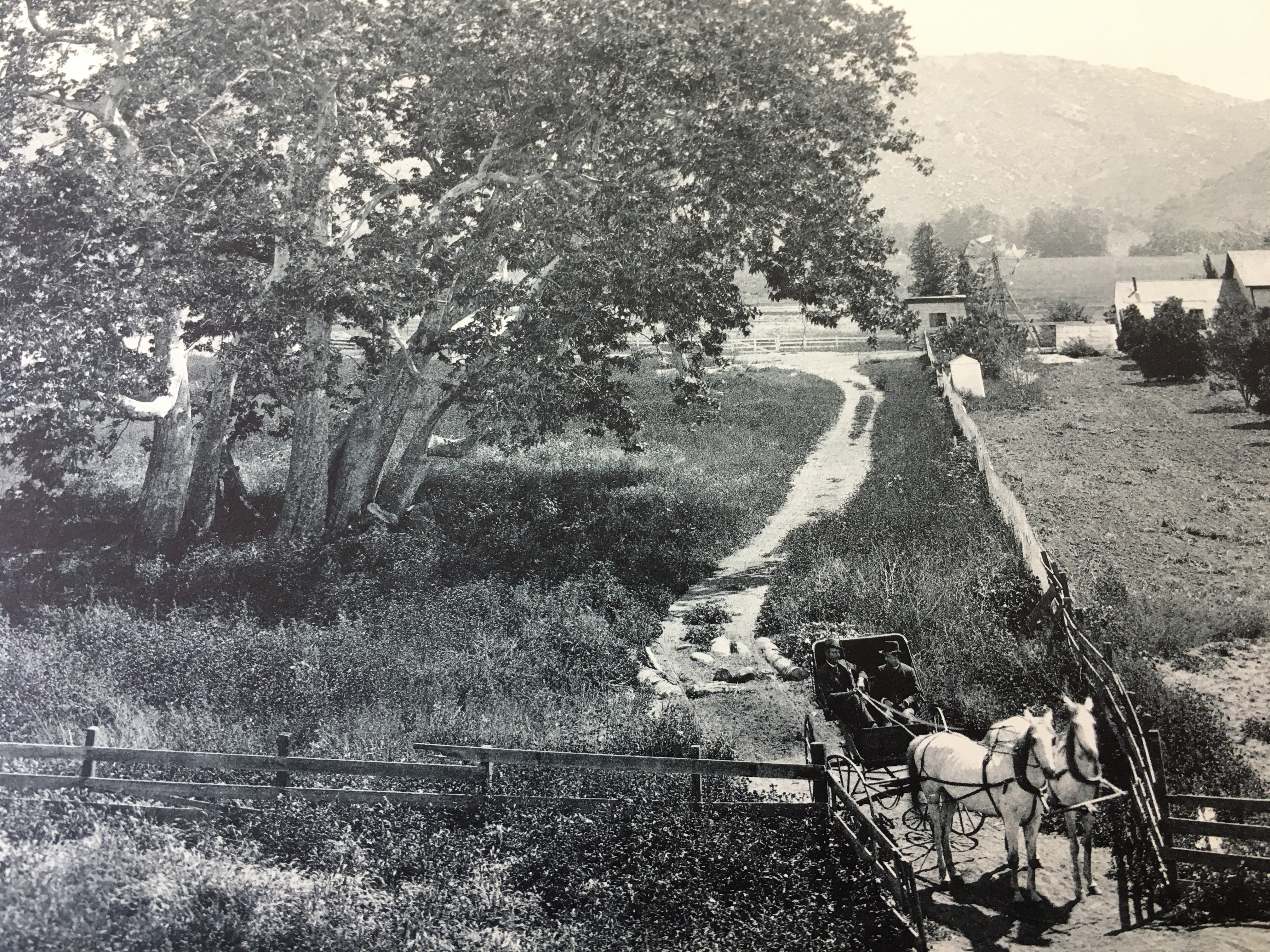
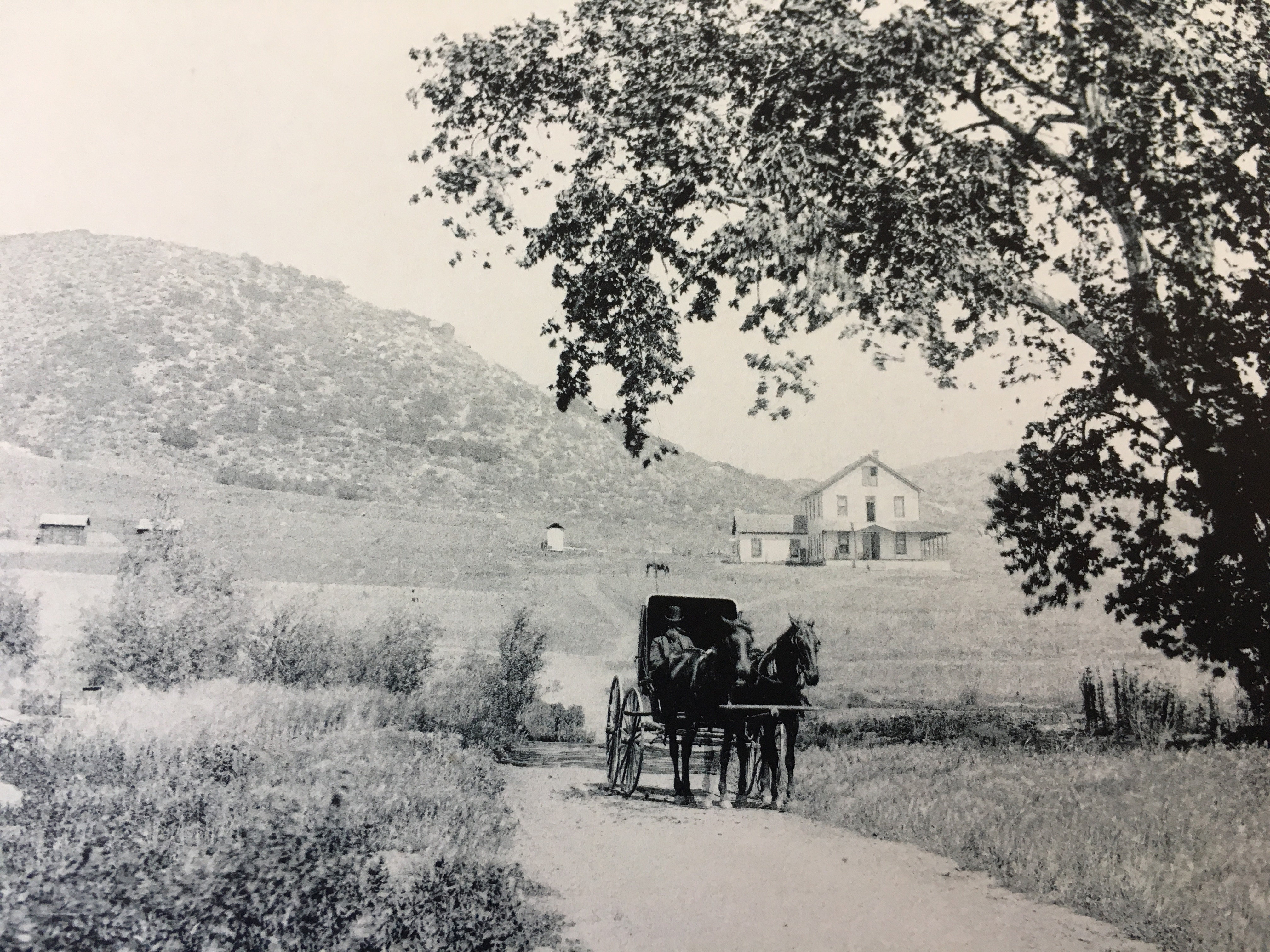
Most accounts of San Diego history cite March 16, 1886 as the day the first street lights were turned on in the city of San Diego. In one particular area downtown, the new technology made a difference notable enough to rate an item on page 3 of the April 7, 1886 San Diego Union. The anonymous reporter found some measureable improvement, noting “on good authority it can be said that profanity has decreased at least one half, as has also the trade in court plaster and ointment.”

A court plaster, dear readers, as I just found out myself, was a piece of cotton or other fabric soaked with glycerin or a similar liquid to adhere to the skin and thus treat a wound.

How did street lighting save people medical expenses? Well, according to the Union, “By actual count, there have been but two people come to grief on the corner of Fifth and E streets since the light has been turned on, while during the time the streets were in darkness but few men of all that traveled past this locality in the night escaped from either a muddy splashing or a heavy fall.”

As for evidence of reducing profanity, the article stated, “During this dark period the air in that vicinity was absolutely blue with any but choice epithets heaped upon some unknown and careless contractor, while now the traveler nimbly picks his way around the bad crossing and says nothing.”

Sources for this post included historic San Diego newspapers and the book, City of San Diego and San Diego County: The Birthplace of California, by Clarence Alan McGrew.

Also please note that I’ll be giving a history talk, “Picturesque San Diego: Images and Stories from the Past,” for San Diego Oasis on Wednesday, January 8 at 1 p.m. at the Serra Mesa-Kearny Mesa Branch Public Library. To register for the class visit https://www3.oasisnet.org/San-Diego-CA/Classes and select class # 321.

Get Updates Automatically-Become A Follower of the San Diego History Seeker

You can get regular updates of San Diego History Seeker automatically in your email by clicking on the “Follow” button in the lower right corner of the blog page. You’ll then get an email asking you to confirm. Once you confirm you’ll be an active follower.


Recognize San Marcos?

San Marcos today is a city with upwards of 84,000 people. How things have changed from January of 1906, when the San Diego Union, in its New Year’s Day issue, presented a section about the then very rural “little valley of St. Mark.”

Among other details, the article noted that “In the valley there are 104 dwelling houses, all but a few occupied, and most of them by their owners.”

What did the residents do for a living? The chief crops of the valley, according to the Union, were “grain and hay,” but there were also “some fine orchards of olives, walnuts, prunes, apricots, peaches, oranges, lemons, etc.” The adjoining Twin Oaks Valley, noted the article,“is famous for its vineyards and its claret, port, muscatel and angelica wines. Everybody raises chickens as a side issue, some make it a profitable business and several fanciers have fancy chicken ranches.”

The previous year of 1905 “has been one of general prosperity for the ranchers. Prices for grain and hay and hogs have been above the average. Of the large crop of wild oat hay made, over 1,000 tons are held for future sale, when the market demands that particular kind of hay. The bees made lots of money, and their owners made lots of money. The present indications point to even better results all around for next year.”

Get Updates Automatically-Become A Follower of the San Diego History Seeker

You can get regular updates of San Diego History Seeker automatically in your email by clicking on the “Follow” button in the lower right corner of the blog page. You’ll then get an email asking you to confirm. Once you confirm you’ll be an active follower.

The Gift of History

Earlier this week I was pleased to give a history talk, for San Diego Oasis, on “Homefront San Diego in World War II,” to an audience at the University Community Branch Library in San Diego. It’s always great to share local history with people, and this audience was very receptive, with lots of questions and comments.

My next talk will be Friday, January 3, 2020, at the Scripps Ranch Library, under the auspices of the library’s SRCA 50+ program. My topic will be: “What’s In A Name? A Lot of History!” about the stories behind many San Diego County place names. Visit https://www.scrippsranch.org/images/images/SR50Plus/SRCA-50-Lectures-and-Tours-2017-0103.pdf for more details.

You can also find a list of my talk topics under this site’s “About” tab, if you or a group you belong to would be interested in hosting me.

I also invite my readers to share the gift of history this holiday season, and all year-round, by ordering one of my books for yourselves, friends or family. Shortly after the publication of my latest book, Once Upon A Town: Bernardo, Merton and Stowe, I received a personal message of congratulations from State Assemblyman Brian Maienschein, calling the book “an excellent account of the makeup of our community from the late 1800s to the early 1900s,” and adding that “the level of detail depicts just how much San Diego has advanced.” I thank Mr. Maienschein for the kind words.

Once Upon A Town represents my further research into San Diego County’s “lost towns,” towns and villages that once thrived, but then disappeared. Also available for purchase is Valleys of Dreams, which offers 39 stories covering 12 different north county communities. Read about people like Dr. John Larzalere, who practiced medicine in Escondido for almost 50 years, and Vital Reche, the man who gave Fallbrook its name. Learn also about places like Vista’s Rancho Minerva or events like the coming of the railroad to San Marcos, which was actually the coming of San Marcos to the railroad. (You’ll have to read the book to see exactly what I mean.)

Just click on the “My Books” tab for ordering information.

Thanks again to all my readers for your interest in history, and please accept my best wishes for a historically happy holiday season!

Get Updates Automatically-Become A Follower of the San Diego History Seeker

You can get regular updates of San Diego History Seeker automatically in your email by clicking on the “Follow” button in the lower right corner of the blog page. You’ll then get an email asking you to confirm. Once you confirm you’ll be an active follower.

Lakeview Snapshot

This past Saturday I gave a talk called ”More Livestock Than People: San Diego’s Agricultural Heritage,” for Oasis at the Santee Branch Library. In the course of researching my subject I found many articles in local newspapers of the late 19th and early 20th centuries that gave a picture of rural life within various county communities.

Here’s an example from The Poway Progress newspaper from exactly 124 years ago, November 2 ,1895. I post it because it offers a verbal snapshot of one community, Lakeview, described then as “an arm of El Cajon valley.”

The short article noted that “Three years ago Lakeview was covered with sage brush, the habitat of innumerable jack rabbits and coyotes. Today these same hills and valleys, by a pleasing transformation, are covered with orange and lemon groves, amidst which stand cozy cottages, the homes of an enterprising and progressive people, who wrought this change.

“No more healthy groves can be seen anywhere,” continued the article. “Trees planted three years ago are well loaded with fruit.”

The reporter went on to state that a newly completed schoolhouse had been opened the week before, with 17 students enrolled,“the occasion having been appropriately celebrated in the evening by an entertainment of a literary character, including a stereopticon exhibition by one of the citizens.”

In addition to The Poway Progress, sources for this post included The History of San Diego: 1542-1908, Volume II, by William E. Smythe, and the 1888 book, The City and County of San Diego, Illustrated and Containing Biographical Sketches of Prominent Men and Pioneers, by T. S. Van Dyke.

Get Updates Automatically-Become A Follower of the San Diego History Seeker

You can get regular updates of San Diego History Seeker automatically in your email by clicking on the “Follow” button in the lower right corner of the blog page. You’ll then get an email asking you to confirm. Once you confirm you’ll be an active follower.