A Face and Story Behind A Street Name

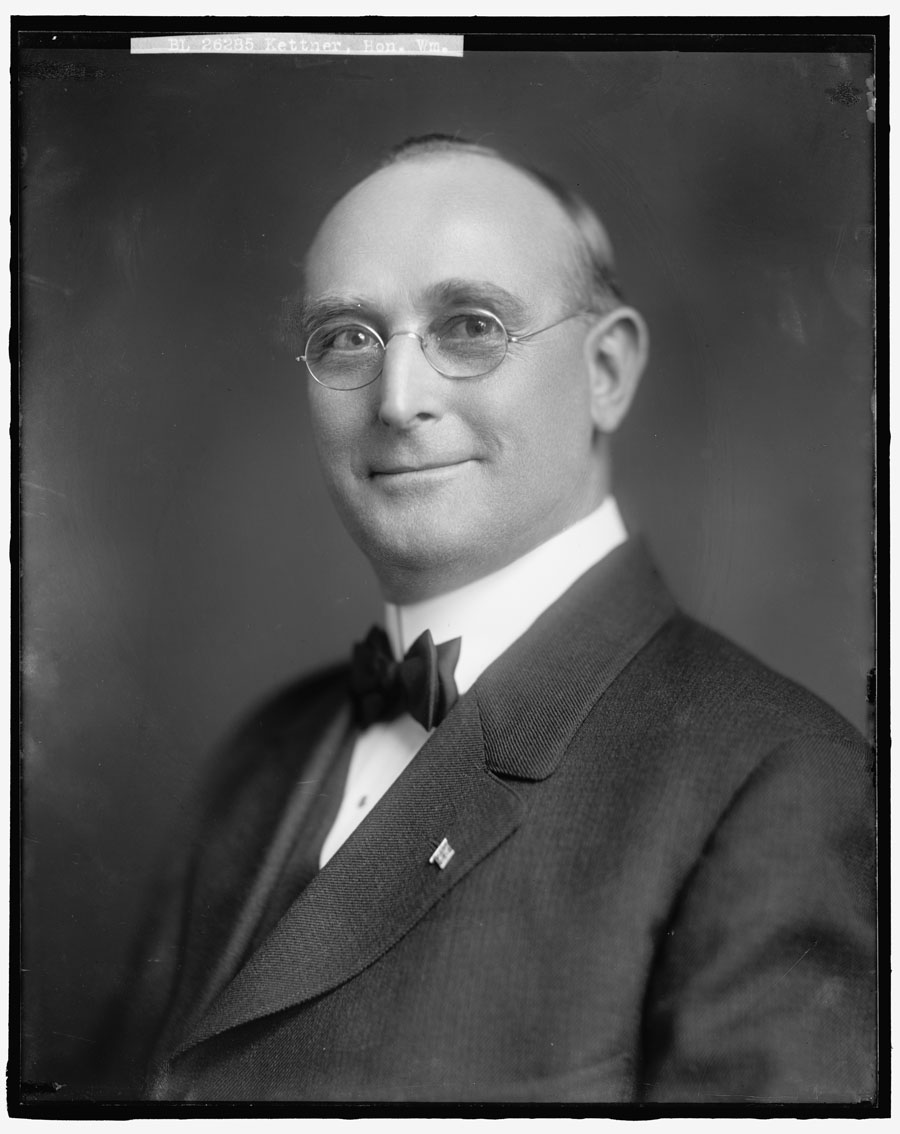
Undated photo of William Kettner courtesy of the Library of Congress.

William Kettner served as a member of the United States House of Representatives from 1913 to 1920, representing the Eleventh Congressional District, which at that time included San Diego City and County as well as a number of other southern California counties.

Originally from the Midwest, Kettner came to southern California in the 1880s, first settling in Visalia but moving to San Diego in 1907. He ran an insurance business and was also active in various civic organizations, including the San Diego Chamber of Commerce.

Historical accounts uniformly describe him as an affable and outgoing man with a strong sense of civic responsibility. He wanted to actively promote his community. He came into Congress at a time when local, state and national leaders were beginning to recognize San Diego harbor’s value, not just as a commercial seaport, but also a strategically important location for the U. S. Navy.

Kettner took a leading role in promoting San Diego as a headquarters for naval facilities. He served on house committees dealing with rivers and harbors and with naval appropriations. Among those friends cultivated by the affable congressman during his time in Washington was a young assistant navy secretary named Franklin Roosevelt. Kettner is credited with introducing the East Coast-raised Roosevelt to San Diego’s physical beauty and climate as well as its value as a naval port.

Kettner is credited with helping to bring most of the major naval facilities to San Diego, including the Naval Training Center, the Broadway Naval Supply Deport, and the North Island Naval Air Station, to name just a few.

Ill-health and some business reversals led Kettner to retire from Congress after the 1920 session but he remained a popular figure until his death in 1930. A city fireboat was named after him in 1919, and a few months after his retirement from Congress, the San Diego city council passed an ordinance declaring that “the name of Arctic Street, for its entire length in the city of San Diego, California, be, and the name is hereby changed to Kettner Boulevard.”

Sources for this post included historic San Diego newspapers, The Journal of San Diego History  the Library of Congress, and the archives of the San Diego City Clerk’s Office.

Get Updates Automatically-Become A Follower of the San Diego History Seeker

You can get regular updates of San Diego History Seeker automatically in your email by clicking on the “Follow” button in the lower right corner of the blog page. You’ll then get an email asking you to confirm. Once you confirm you’ll be an active follower.
A New Source for History Seekers

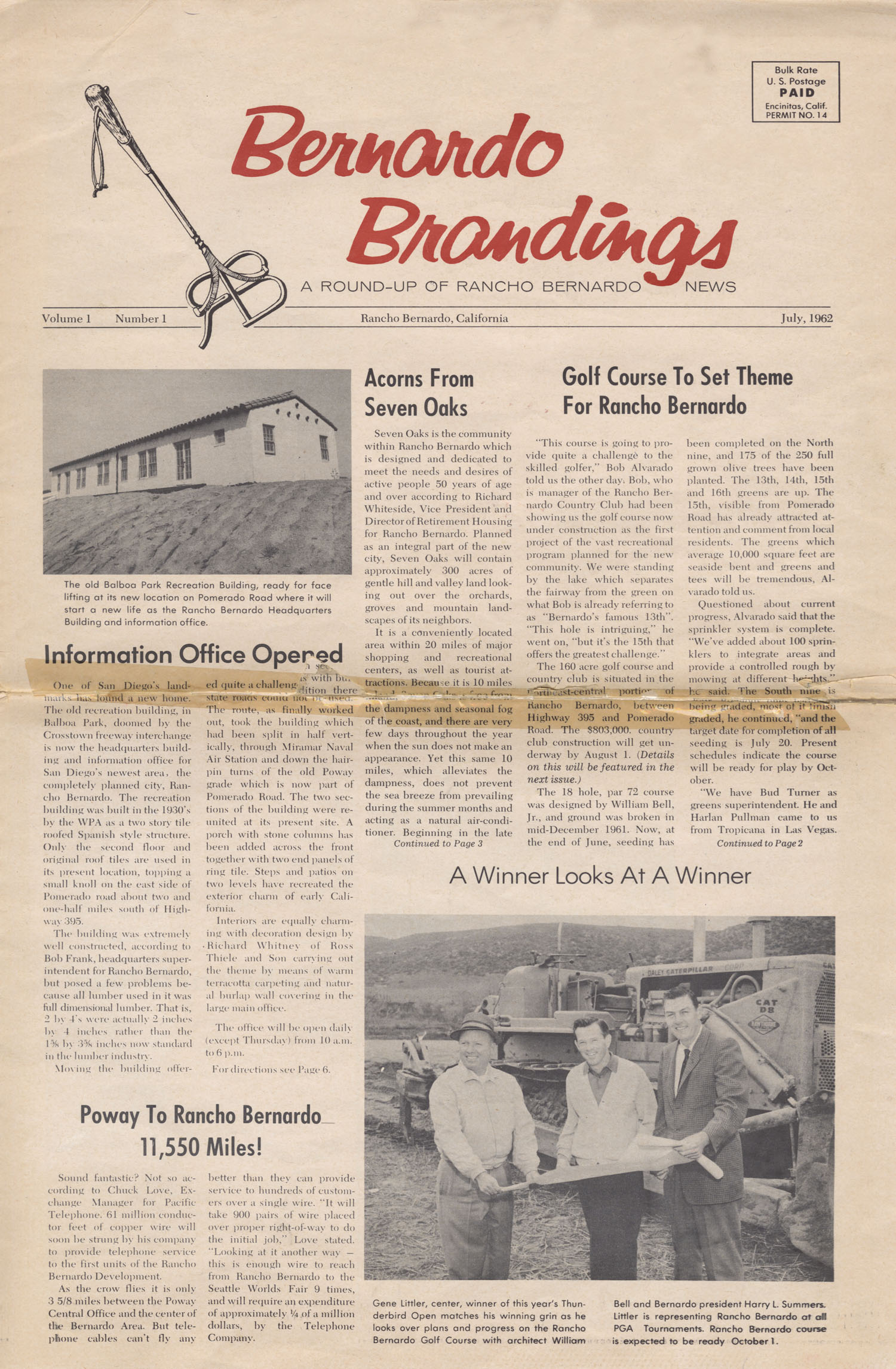
The photo below shows the first page of the first issue of Bernardo Brandings.

When that issue came out in February 1962, Bernardo Brandings was the first newspaper for the then-new community of Rancho Bernardo. It was so new that the first edition was printed in Encinitas. For that matter, there were no residents to read the paper yet in Rancho Bernardo.

Just a few months previously, developers Harry Summers and Fritz Hawn had signed an agreement with Lawrence and Donald Daley to turn 6,000 acres of ranchland into a planned urban community. The agreement they signed created a joint venture called Rancho Bernardo, Inc. which was the original publisher of Bernardo Brandings. That paper was distributed across California and the rest of the United States to draw people to come and settle in the new community.

So those first issues of the paper offer fascinating visual and narrative insights into Rancho Bernardo when it was just taking shape. And these insights are now available to the general public, thanks to the efforts of the Rancho Bernardo Historical Society.

The society’s museum had been collecting copies of the newspaper for years for the museum archives. More recently several volumes were digitized for museum visitors and researchers. This past week five years’ worth of those digitized copies were placed on the society’s website, making them accessible to the online public. Just go to the society’s website, https://rbhistory.org/ , click on the tab for “museum” and scroll down the page. Check it out!

Get Updates Automatically-Become A Follower of the San Diego History Seeker

You can get regular updates of San Diego History Seeker automatically in your email by clicking on the “Follow” button in the lower right corner of the blog page. You’ll then get an email asking you to confirm. Once you confirm you’ll be an active follower.

From Raisins to Grapes

Gustavus French Merriam came to San Diego County from Kansas in 1874. He acquired a homestead of 160 acres in what is today San Marcos. He christened his property Twin Oaks Ranch after two joined oak trees on the grounds.

Merriam at first intended to specialize in raisins, a popular crop in the area at the time. But he had trouble drying the grapes successfully and switched to wine and brandy production. That worked out a bit better.

“G. F. Merriam shipped a carload of grape brandy from Twin Oaks to Los Angeles,” reported the Poway Progress newspaper of January 13, 1894.

Two months later the same paper reported: “G. F. Merriam of San Marcos has made over 60,000 gallons of wine this season, and is now making grape brandy by the carload.”

That’s railroad carloads, just to put it in historical perspective.

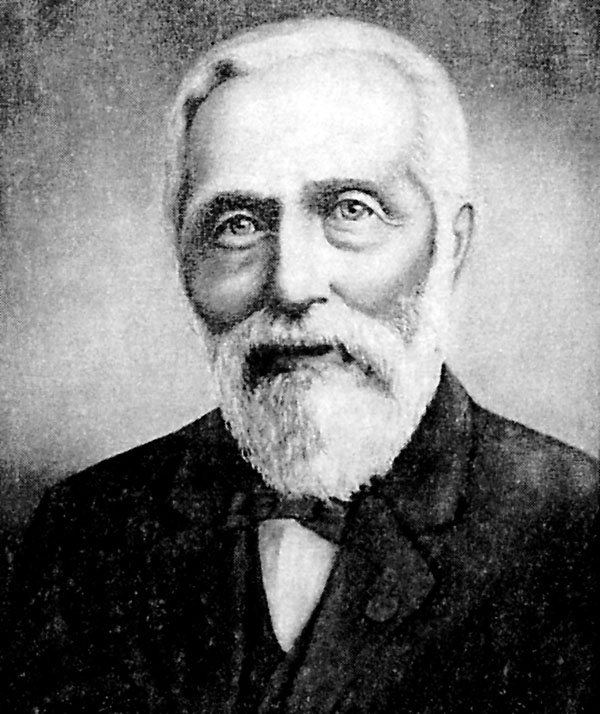
Here’s an undated portrait of G. F. Merriam, courtesy of the San Marcos Historical Society:


The Major, as he preferred to be called, would leave his mark on county history in many ways.  You can find out more about him in my book, Valleys of Dreams, on sale on this blogsite.

In the meantime, Happy May Day to All!

Sources for this post included the archives of the San Marcos Historical Society and the San Diego History Center, along with historic county newspapers.

Get Updates Automatically-Become A Follower of the San Diego History Seeker

You can get weekly updates of San Diego History Seeker automatically in your email by clicking on the “Follow” button in the lower right corner of the blog page. You’ll then get an email asking you to confirm. Once you confirm you’ll be an active follower.

Two Views of El Cajon

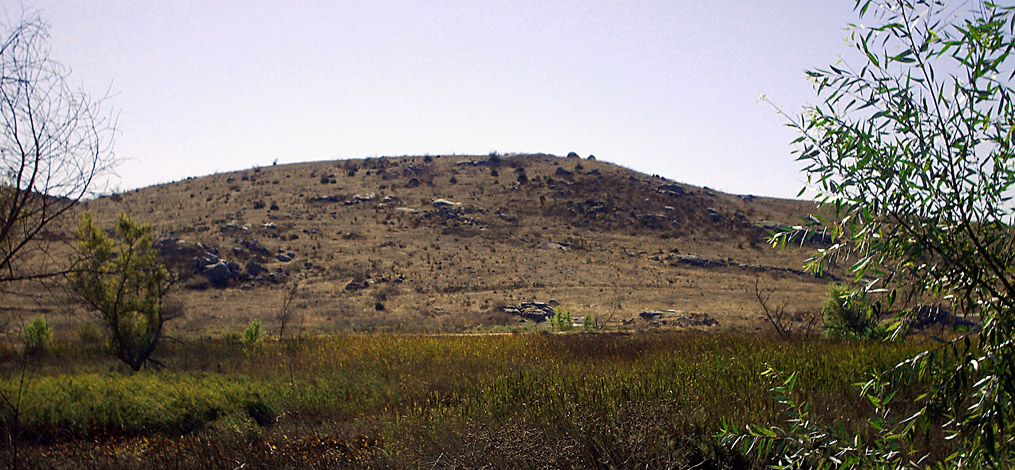
A couple of views of El Cajon from the previous two centuries.

The 1890 book, Illustrated History of Southern California stated “The largest and most beautiful valley in San Diego County is the El Cajon, and, if not the best, it is certainly equal to any.”

The valley at the time was most famous for its raisins, which were being shipped by the railcar load across the country. Hay and grain were also being grown, and cultivation of other fruits and vegetables was taking hold.

Historian Samuel Black, writing in 1913, wrote that “El Cajon valley, beautiful and as yet not half developed, commands attention as the next in order in the march of progress eastward from San Diego city.”

“The level lands in the valley,” wrote Black, “are in use in grain fields, vineyards, deciduous and olive orchards and for dairying and stockraising. In the foothill lands around the edge of the valley are the citrus orchards and berry fields and there some of California’s finest showings in lemons and oranges can be seen. The citrus men, in addition to flume water, all have good wells.”

“From the Santee section milk and cream from the dairies and granite from the quarries are the main products…” The products of El Cajon valley can be greatly increased by closer settlement. There is much available land, both in the level section and in the foothills, and prices as yet have not reached to anything like those called for in similar districts elsewhere in the state.”

Sources:

The Lewis Publishing Company, An Illustrated History of Southern California Embracing the Counties of San Diego, San Bernardino, Los Angeles and Orange, and the Peninsula of Lower California from the Earliest Period of Occupancy to the Present Time together with Glimpses of their Prospects, also Full-Page Portraits of some of their Eminent Men and Biographical Mention of Many of their Pioneers and of Prominent Citizens of to-day, Chicago, 1890.

Black, Samuel F., San Diego County, California: A Record of Settlement, Organization, Progress and Achievement, Chicago, S. J. Clarke Publishing Company, 1913.

Get Updates Automatically-Become A Follower of the San Diego History Seeker

You can get weekly updates of San Diego History Seeker automatically in your email by clicking on the “Follow” button in the lower right corner of the blog page. You’ll then get an email asking you to confirm. Once you confirm you’ll be an active follower.