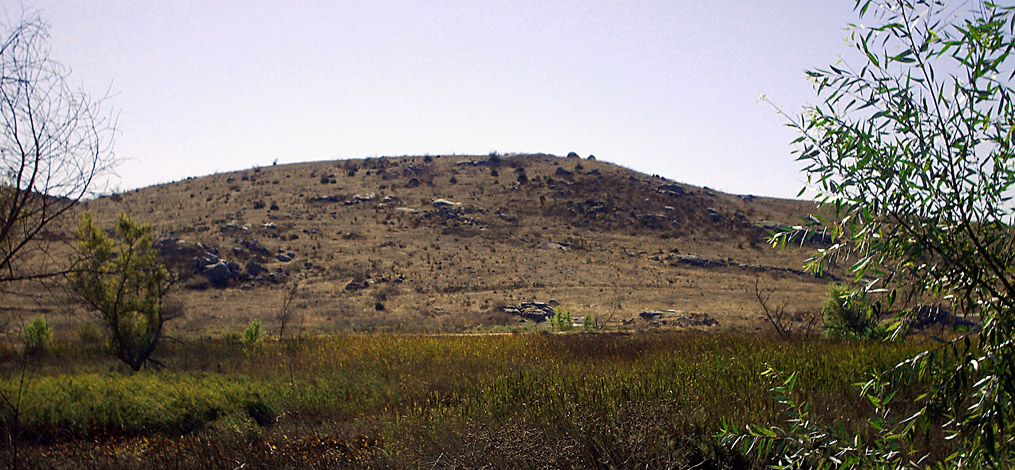
Lakeview Snapshot

This past Saturday I gave a talk called ”More Livestock Than People: San Diego’s Agricultural Heritage,” for Oasis at the Santee Branch Library. In the course of researching my subject I found many articles in local newspapers of the late 19th and early 20th centuries that gave a picture of rural life within various county communities.

Here’s an example from The Poway Progress newspaper from exactly 124 years ago, November 2 ,1895. I post it because it offers a verbal snapshot of one community, Lakeview, described then as “an arm of El Cajon valley.”

The short article noted that “Three years ago Lakeview was covered with sage brush, the habitat of innumerable jack rabbits and coyotes. Today these same hills and valleys, by a pleasing transformation, are covered with orange and lemon groves, amidst which stand cozy cottages, the homes of an enterprising and progressive people, who wrought this change.

“No more healthy groves can be seen anywhere,” continued the article. “Trees planted three years ago are well loaded with fruit.”

The reporter went on to state that a newly completed schoolhouse had been opened the week before, with 17 students enrolled,“the occasion having been appropriately celebrated in the evening by an entertainment of a literary character, including a stereopticon exhibition by one of the citizens.”

In addition to The Poway Progress, sources for this post included The History of San Diego: 1542-1908, Volume II, by William E. Smythe, and the 1888 book, The City and County of San Diego, Illustrated and Containing Biographical Sketches of Prominent Men and Pioneers, by T. S. Van Dyke.

Get Updates Automatically-Become A Follower of the San Diego History Seeker

You can get regular updates of San Diego History Seeker automatically in your email by clicking on the “Follow” button in the lower right corner of the blog page. You’ll then get an email asking you to confirm. Once you confirm you’ll be an active follower.
 

Windy Days Then and Now

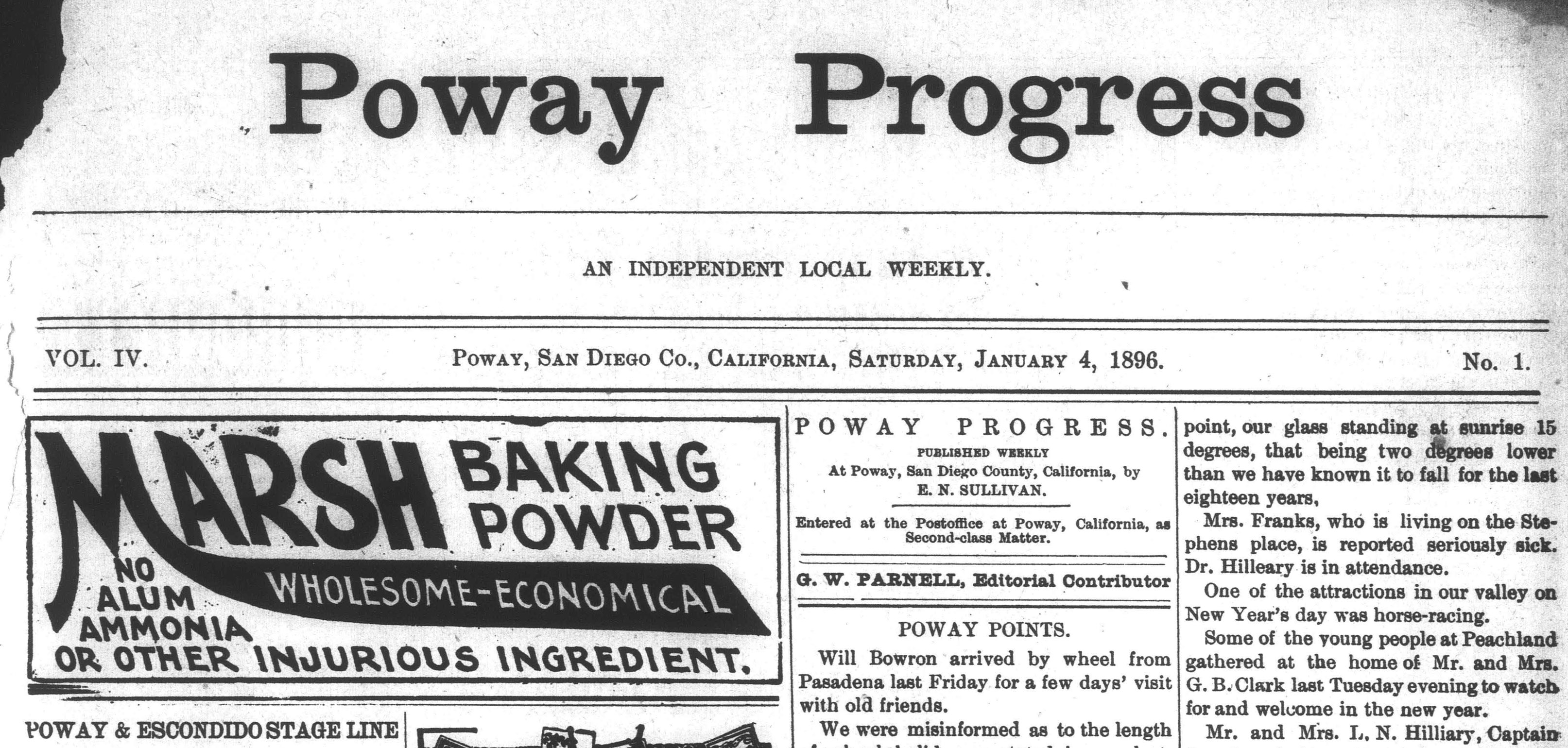
Below is a shot of the masthead of The Poway Progress, a newspaper published in San Diego County from 1894 to 1897. As we deal with “red flag” wind periods this fall, it’s worth recalling that such conditions are endemic to our region, and to see what one such windy season was like 123 years ago.

The “Poway Points” column for the issue of January 4, 1896 included, along with its usual recitation of general community news and local gossip, this entry: “The churches were deserted on Sunday on account of the wind storm.”

Keep in mind this was a time when the Poway Valley was farm country, with most residents’ livelihood dependent on the crops they raised, both to feed their families and to sell at local markets or for export to neighboring communities by horse-drawn wagon or the emerging railroad lines. A combination of drought and high winds could mean farm families struggling to keep barns, sheds and homes from literally blowing away.

“All of Saturday night and Sunday morning the wind was on a tear from the north east, and was bent on mischief,” stated the column. “We have not heard how many people were up all night engaged in holding down their property, but evidently some were off duty, as at various points of the landscape could be seen on Sunday morning the results of its prank. Several barns and other outbuildings were overturned or scattered broadcast, and one windmill at least was considerably shattered…It is becoming quite dry and dusty hereabouts; a good rain would be very acceptable now, as farm work is at a dead stand still….”

Get Updates Automatically-Become A Follower of the San Diego History Seeker

You can get regular updates of San Diego History Seeker automatically in your email by clicking on the “Follow” button in the lower right corner of the blog page. You’ll then get an email asking you to confirm. Once you confirm you’ll be an active follower.


Remembering Marston

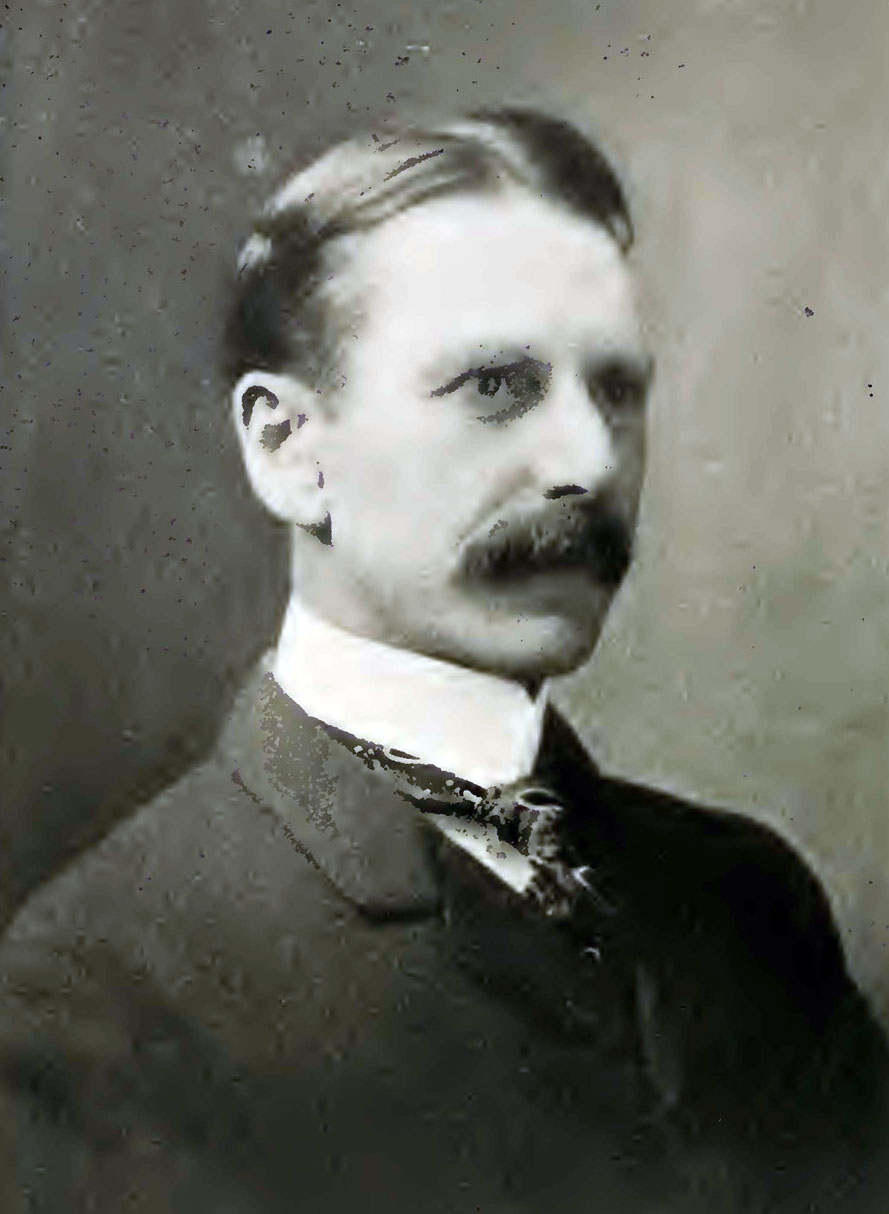
                                                               George White Marston, circa 1908.

Some years back I wrote on this blog about George Marston. As the presidential campaign continues to heat up, I think it’s worth recalling Marston’s civic and political ideas and activities.

Marston was an unsuccessful candidate for mayor of San Diego in 1913 and 1917. He is far better known as a successful department store owner and philanthropist. He was also a strong advocate of park development and city planning. He built the Serra Museum and Presidio Park at his own expense and then donated them to the city. In the early 1900s he put up his own funds to hire expert planners who crafted the first comprehensive plans for Balboa Park and for general urban development in San Diego.

He clearly had a lot more on his mind than just making money. One surprising aspect of his thinking turned up in a 1986 essay in The Journal of San Diego History written by Gregg R. Hennessey, entitled, “George White Marston and Conservative Reform in San Diego.”

The essay noted that Marston in his adult life was politically independent. “Raised a Republican, he never hesitated to swing back and forth between Democrats and Republicans, choosing the person or the party most likely to push for reform,” Hennessey wrote.

The article then quoted from a letter Marston wrote in 1932 in response to a contribution request from a local Republican party fundraiser for the November election campaign.

“I wonder how you got the idea that I was a Republican,” wrote Marston. “I did vote for Hoover four years ago and sent you a check for the campaign, but I also voted for Wilson and for Cleveland and very much prefer the political platform of the Democrats to that of the Republicans. However the Democrats are deteriorating badly these days and are controlled by the big financiers of the country as the Republican party is.”

Marston went on to write this: “In our little San Diego field you and I are both in the plutocratic, aristocratic and big financial privileged class! But there is this difference between us. I am willing to admit that we get too big a share of the good things of life and that we ought to be good enough democrats to let the people in general have a larger share…. “

Marston closed by saying, “Therefore, I am still a non-partisan, entertaining hopes that sometime a liberal, progressive party will be established in the United States. I am not a Socialist, but this year I am inclined to vote for Norman Thomas as a protest against both of the dominant parties. “

Norman Thomas was the presidential candidate of the Socialist Party in the 1932 election.

Mary Gilman Marston, George Marston’s daughter and biographer, confirmed that her father did indeed vote for Norman Thomas in 1932, and that he voted for Franklin Roosevelt and the Democrats thereafter, since, in her words, “The social aims of the New Deal were in accord with his political beliefs.”

In addition to The Journal of San Diego History, sources for this post included historic San Diego newspapers and William E. Smythe’s History of San Diego: 1542-1908.

Get Updates Automatically-Become A Follower of the San Diego History Seeker

You can get regular updates of San Diego History Seeker automatically in your email by clicking on the “Follow” button in the lower right corner of the blog page. You’ll then get an email asking you to confirm. Once you confirm you’ll be an active follower.

The “California Bank Note”

Cattle ranching was big business in San Diego County for a long time. But how many people know that for at least a century or so, cattle were raised not so much for their meat, but for their hides and their fat?

As California passed from Spanish to Mexican control in the early 1820s, “The chief economic activity consisted of exporting hides and tallow. Mexican independence in 1821 opened California ports to foreign trade and coincided with the expansion of the American shoe industry,” according to a 2009 book, 240 Years of Ranching, a comprehensive study on the county’s ranching history prepared for the state parks department.

By the late 1820s, notes the study, as many as 40,000 cattle hides were being shipped annually from San Diego to New England to be made into shoes and other leather goods. Tallow, the product of rendered cowfat, was shipped to South America where it was turned into candles and soap.

These products not only brought big money, they literally were money in those days in the relationship between county ranch owners who raised and sold the cattle and the sailing ship captains and merchants who bought them. As another historian of the period pointed out, “Contracts and promissory notes were usually made payable in cattle, hides, or tallow…even the smallest amount of merchandise—a few yards of cloth, a pound of sugar, a box of raisins, a handful of cigars—was purchased with the standard currency of the province, the ubiquitous cattle hide, known from Alaska to Peru as the ‘California bank note.’”

Sources for this post included the books 240 Years of Ranching, by Sue A. Wade, Stephen R. Van Wormer and Heather Thomson, History of San Diego:1542-1908, by William E Smythe, and The Cattle on A Thousand Hills, by Robert Glass Cleland.

Get Updates Automatically-Become A Follower of the San Diego History Seeker

You can get regular updates of San Diego History Seeker automatically in your email by clicking on the “Follow” button in the lower right corner of the blog page. You’ll then get an email asking you to confirm. Once you confirm you’ll be an active follower.

Septembers to Remember

Two Septembers figure in shaping the state and county we’re most familiar with today. Beginning in September 1849 delegates met in Monterey, California to create a constitution for a new state to be carved out of the territory won from the war between the U. S.A. and Mexico.

Over the following winter the first state legislature began meeting, and on February 2, 1850, they created the very first California County, San Diego. It’s worth remembering that with transportation of that time limited to foot, horsepower and boats, things like holding conventions and legislatures, not to mention surveying and marking off territorial boundaries, took a lot longer and might not be as precise. Which helps explain why the original San Diego County embraced what are today the counties of San Diego, Riverside, Imperial, San Bernardino and the eastern portion of Inyo County.

That would be the map of San Diego County on September 9, 1850, when California was admitted to the Union as the 31st state.

Sources for this post included San Diego: A Chronological and Documentary History, 1535-1976, compiled and edited by Robert Mayer, and San Diego County, California: A Record of Settlement, Organization, Progress and Advancement, by Samuel F. Black.

Get Updates Automatically-Become A Follower of the San Diego History Seeker

You can get regular updates of San Diego History Seeker automatically in your email by clicking on the “Follow” button in the lower right corner of the blog page. You’ll then get an email asking you to confirm. Once you confirm you’ll be an active follower.